The most beautiful Greek islands


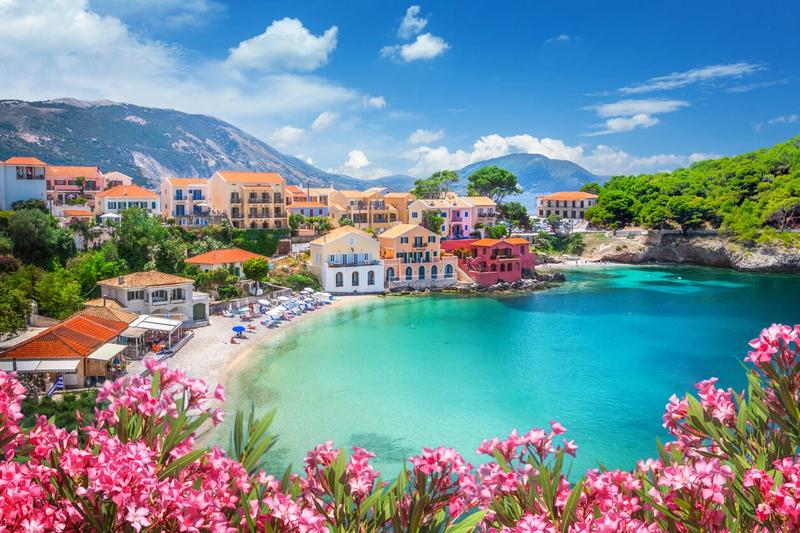
If you’re searching for the most beautiful Greek islands, you’re already halfway to planning something special. From cliff-hugging villages to unreal shades of blue, Greece doesn’t really do average. The challenge isn’t finding somewhere stunning – it’s narrowing down which slice of paradise to choose.
Which is the best Greek Island to visit? It depends on your mood. Some deliver drama and big-name views, others keep things low-key with hidden coves and slower rhythms. Whether you want polished and iconic or raw and under-the-radar, there’s an island that fits.
Ask anyone to name the nicest Greek island and you’ll get a different answer every time. That’s part of the appeal. Each one has its own personality, its own pace, its own version of beautiful – and that’s exactly what makes choosing so interesting.
Santorini
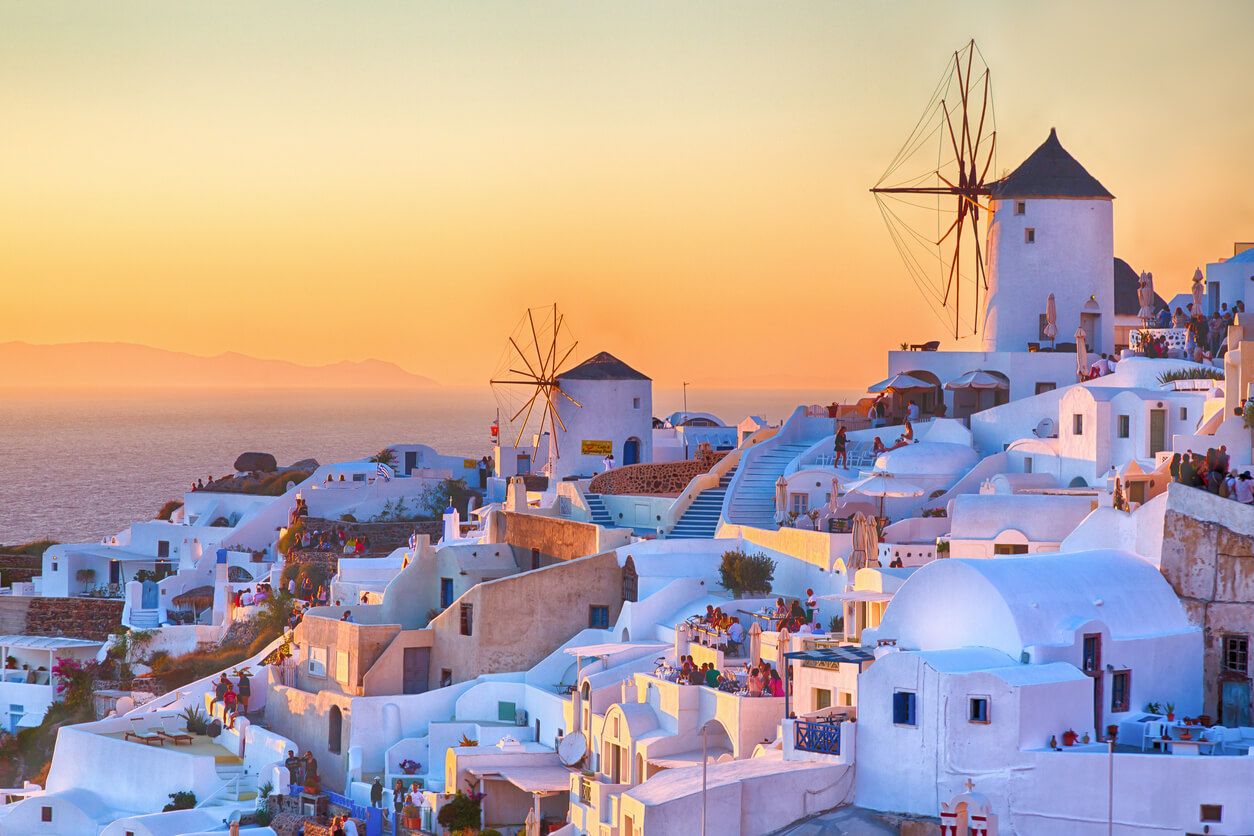
Santorini doesn’t try to be subtle. It’s all sharp contrasts and high drama – white cubes clinging to black volcanic cliffs, infinity pools spilling into the caldera, sunsets that stop conversations mid-sentence.
Oia gets the headlines, but wander beyond and you’ll find quieter villages and wineries carved into the rock. It’s polished, yes, but still jaw-dropping. Come for the views, stay for that strange, cinematic feeling that nowhere else quite replicates.
Kefalonia
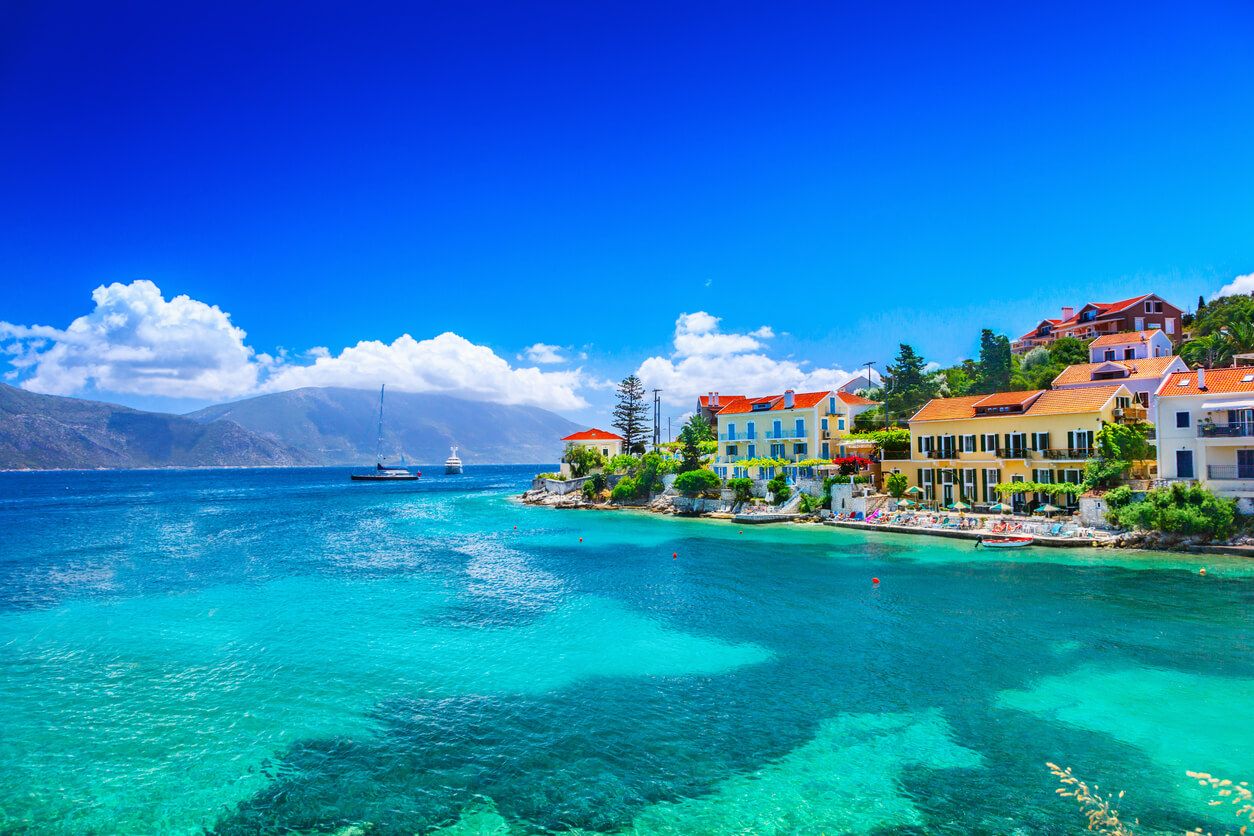
Kefalonia feels big, bold and a little untamed. One minute you’re peering down at the blinding blues of Myrtos Beach, the next you’re drifting through the eerie glow of Melissani Cave.
It’s an island of contrasts – rugged mountains, sleepy fishing villages, and roads that twist just enough to keep things interesting. Less polished than some neighbours, and better for it. If you like your scenery with a bit of edge, this one delivers.
Zakynthos (Zante)
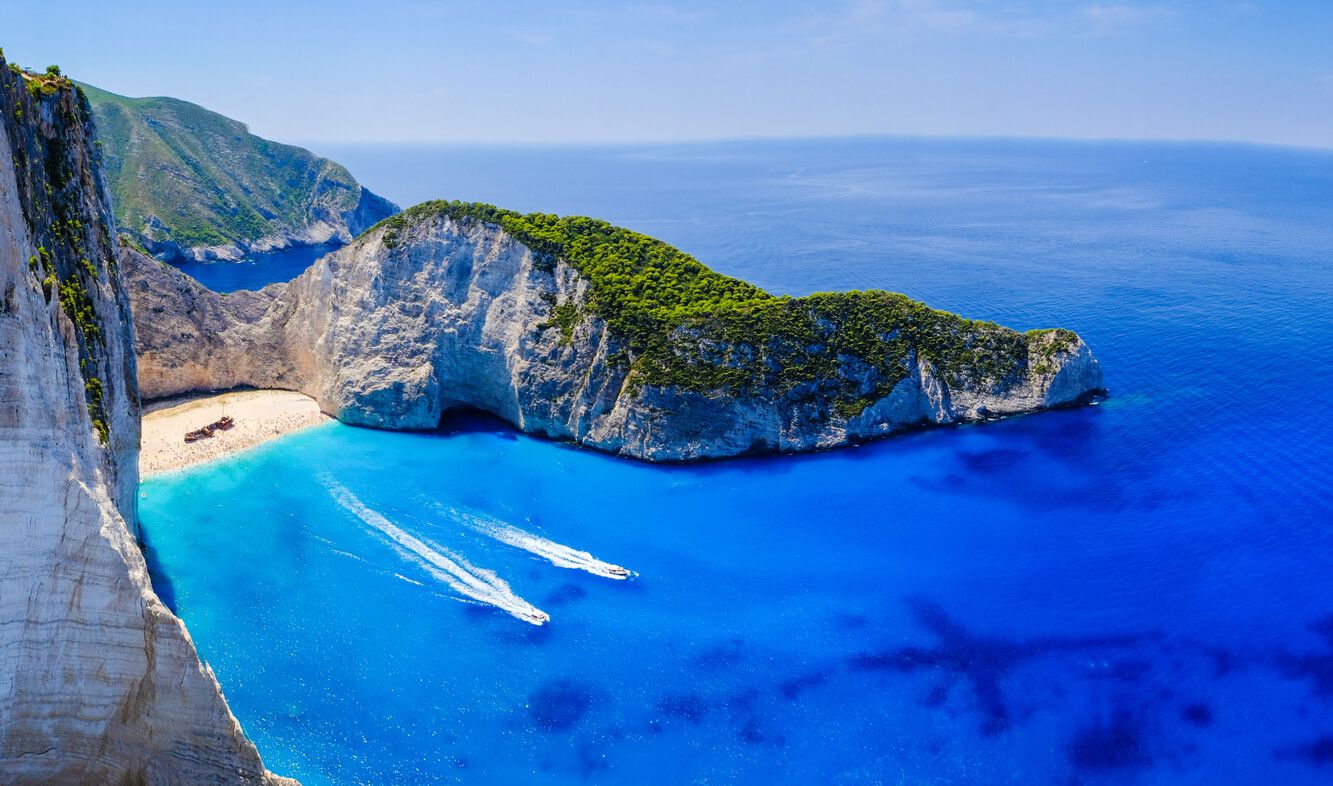
Yes, Navagio Beach is every bit as dazzling as the photos suggest – electric blue water, towering cliffs, a shipwreck for good measure. But Zakynthos has more going on if you venture past the obvious.
Hidden coves, sea caves you can swim into, and stretches of coastline where it’s just you and the sound of the water. Parts of the island lean lively, but the natural beauty still steals the show when you know where to look.
Corfu
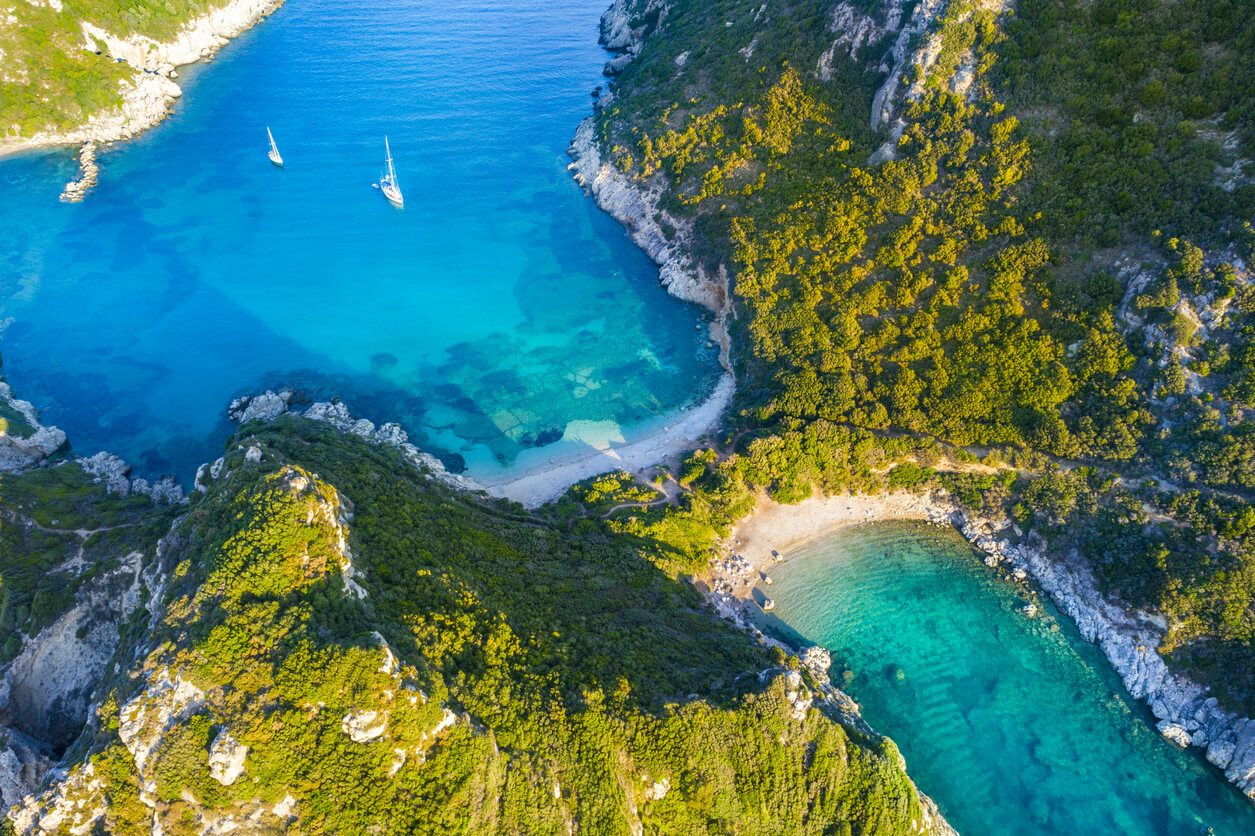
Corfu does things differently. It’s greener, softer, almost Italian in places thanks to its Venetian past. Hills ripple with olive groves, pastel buildings line the waterfront, and the coastline swings between sandy bays and secret coves.
You can spend mornings exploring cobbled old towns and afternoons stretched out by the sea without ever feeling rushed. It’s an island that balances culture and scenery without trying too hard – and that’s exactly the charm.
Lefkada (Lefkas)
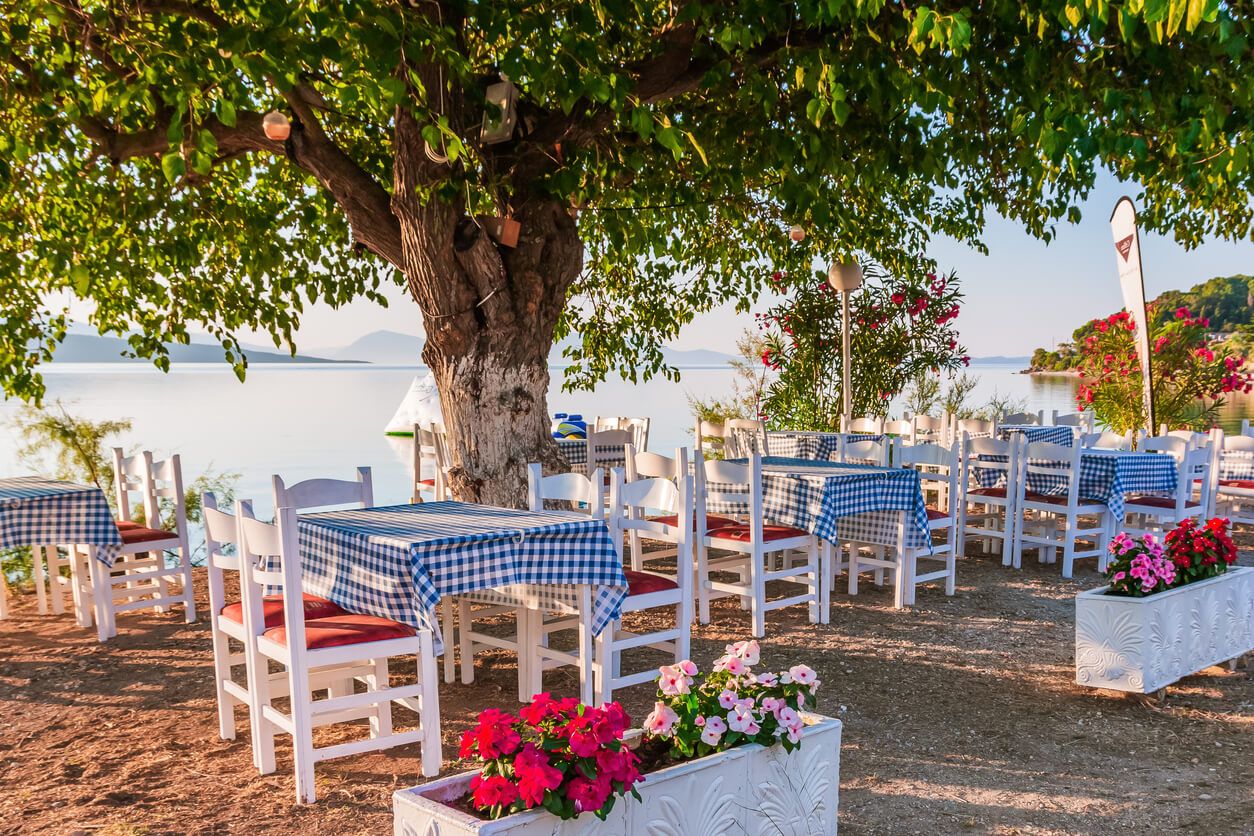
Lefkada’s beaches don’t ease you in – they hit you full force. Blazing white cliffs, unreal turquoise water, and steep paths that make the first glimpse even better.
Porto Katsiki and Egremni are the headliners, but the whole west coast feels like a highlight reel. Despite all that, it’s surprisingly low-key in places, with mountain villages and quiet tavernas tucked inland. A bit wild, a bit dramatic, and all about those views.
Skiathos
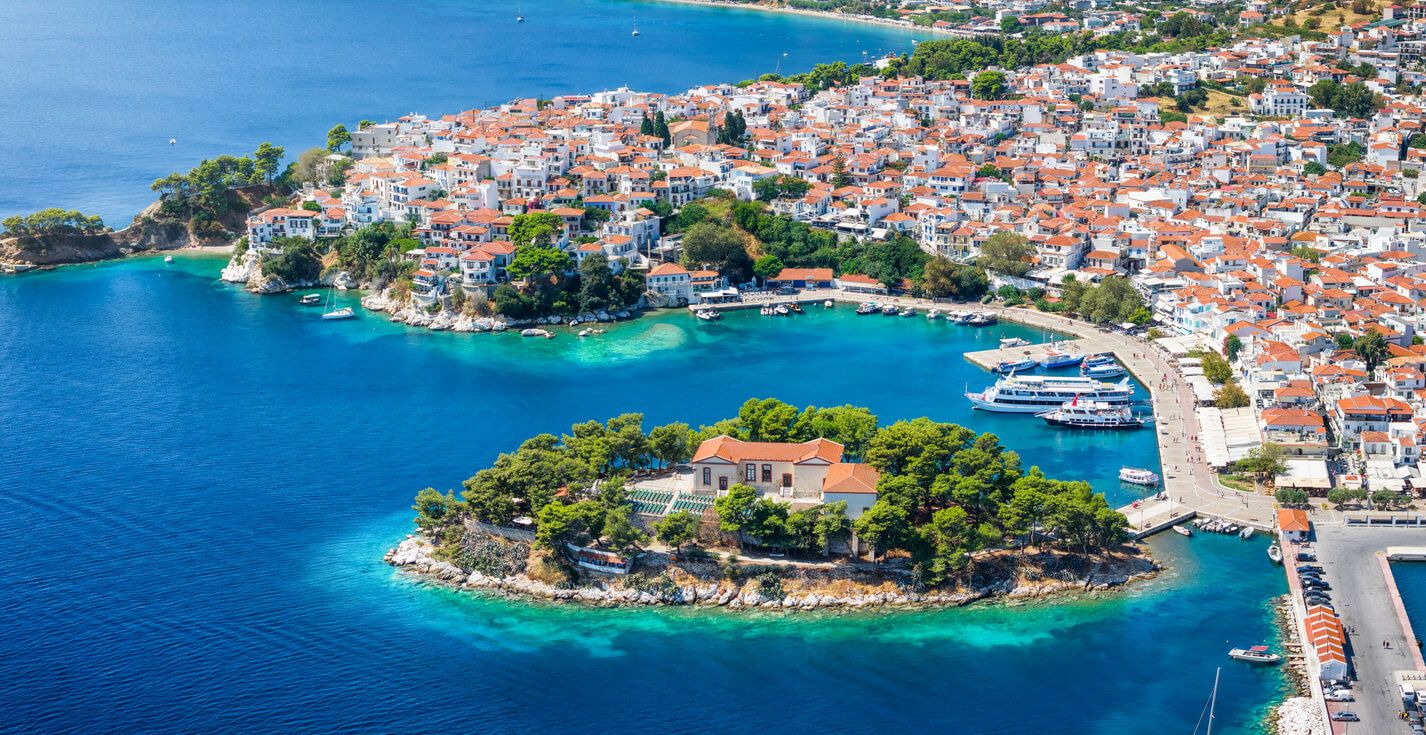
If your idea of beauty involves soft sand and swim-ready water, Skiathos is hard to beat. The beaches are the main event – over 60 of them – backed by pine forests that almost touch the sea.
It’s lively without being overwhelming, with just enough buzz around Skiathos Town to keep evenings interesting. Everything feels easy here. No big treks, no effort required – just long beach days and that laid-back, sun-soaked rhythm.
Skopelos
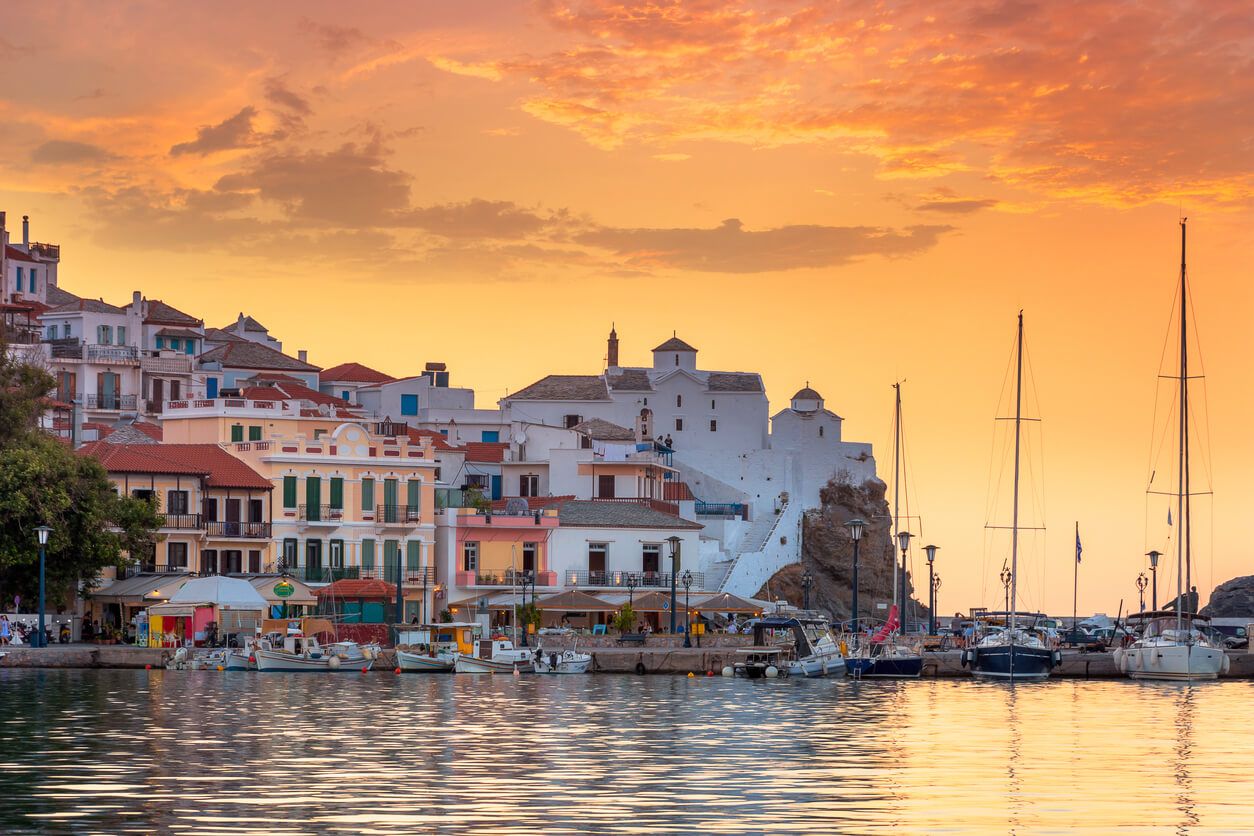
Skopelos is what happens when Greece turns the saturation up. Dense green hills tumble into clear water, and the whole island feels refreshingly unpolished.
You won’t find huge beach clubs or glossy hotspots – instead, it’s quiet coves, hillside chapels, and villages where time slows right down. It’s also unmistakably cinematic, but in a low-key, stumble-upon-it kind of way. Ideal if you want beauty without the crowds or the scene.
Paxos
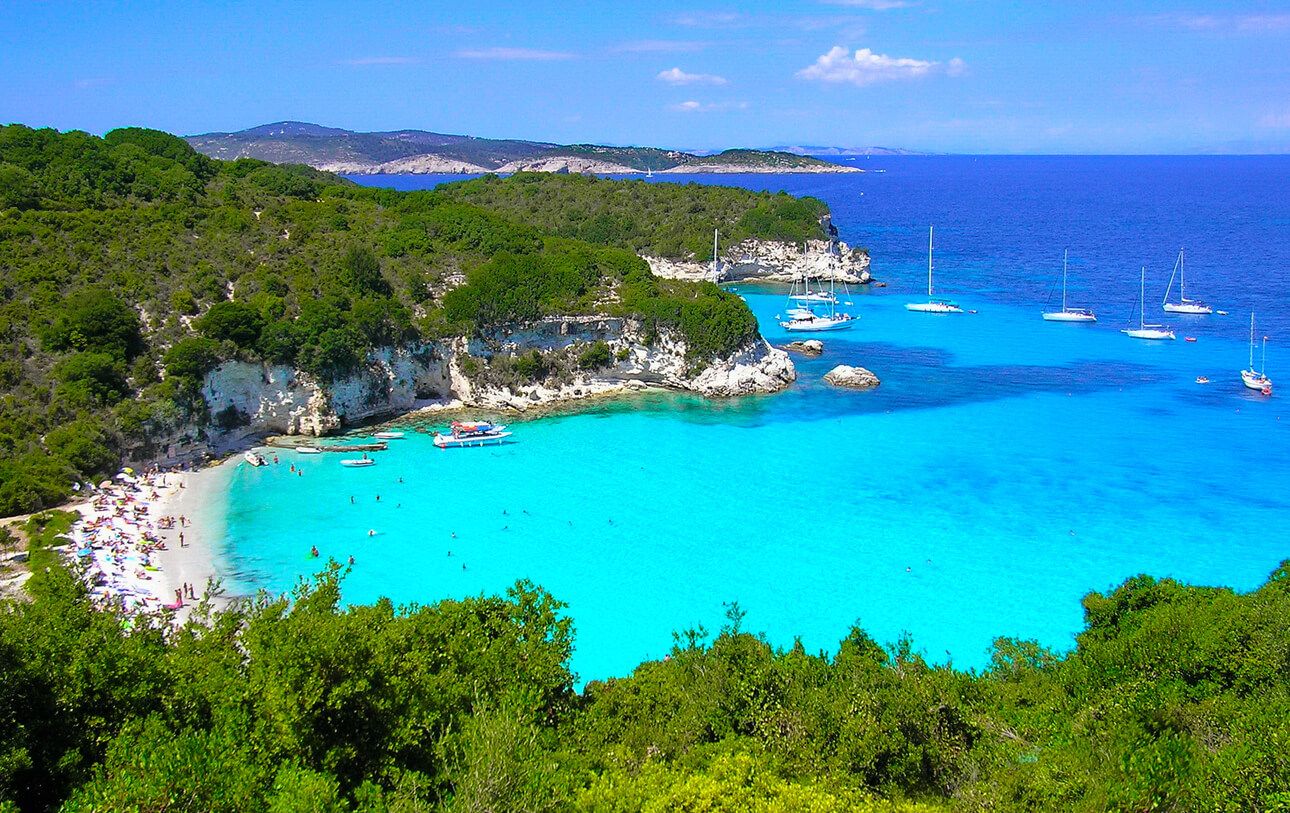
Small, self-assured, and quietly stunning – Paxos doesn’t need to shout. The coastline is all hidden caves and luminous blue water, best explored by boat if you can. Inland, it’s olive groves and slow, sun-drenched afternoons.
Even the main harbour, Gaios, keeps things low-key. This is the kind of place people return to again and again, not because it’s packed with sights, but because it feels effortlessly right.
Amorgos
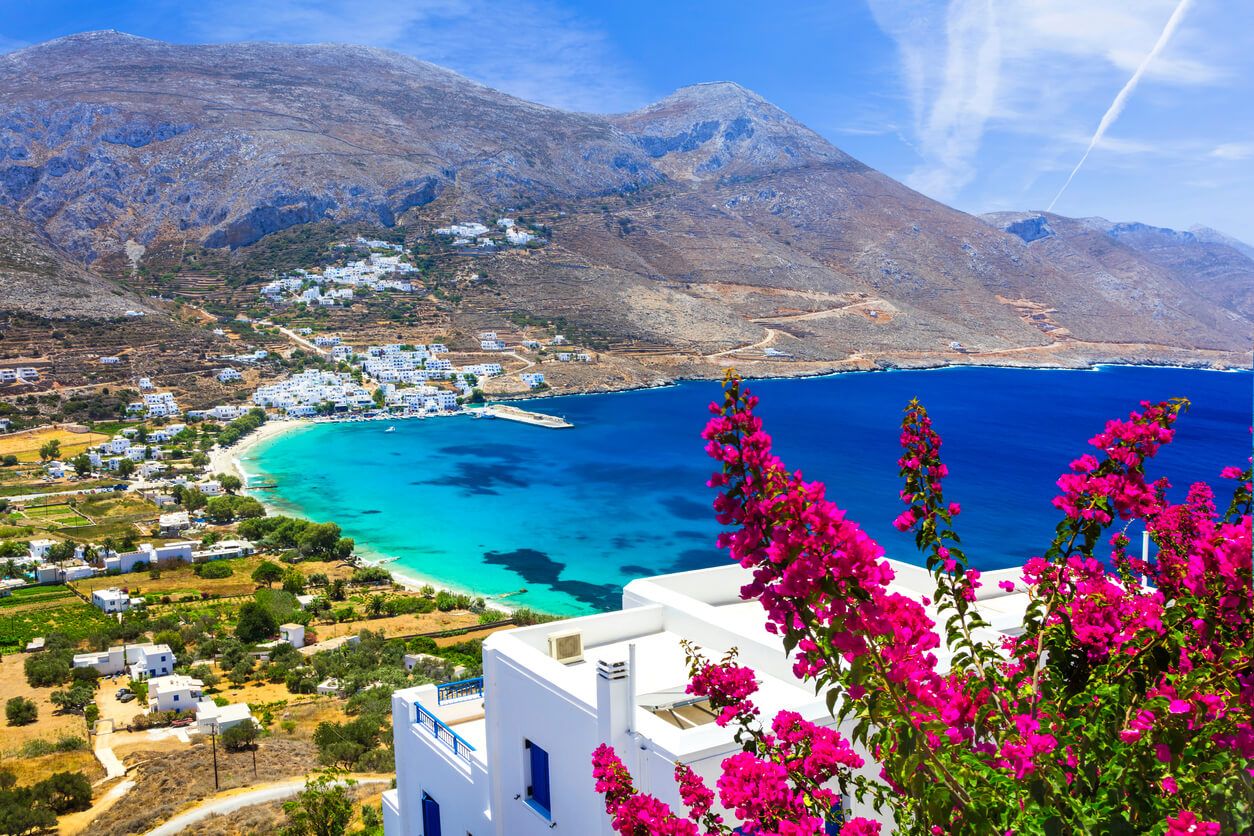
Amorgos is the outlier – raw, rugged, and unapologetically dramatic. Cliffs plunge straight into deep blue sea, and the famous Hozoviotissa Monastery clings to the rock as if placed there on a dare.
This isn’t about ticking off sights; it’s about the feeling of the place. Windy, remote, a little wild. If you want something that feels untouched and slightly cinematic in a different way to Santorini, this is it.
Mykonos
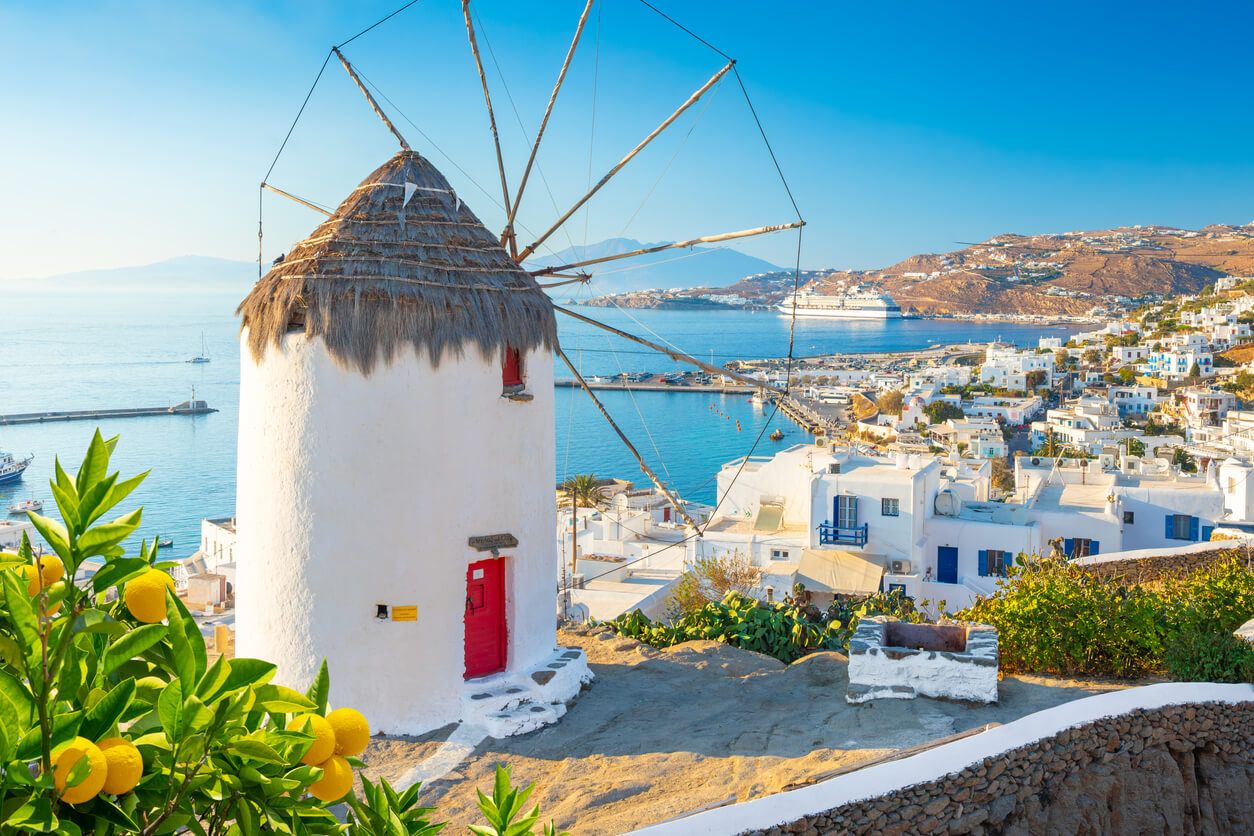
There’s more to Mykonos than its reputation suggests. Yes, the beach clubs and nightlife are part of the story, but so are the classic Cycladic scenes – whitewashed alleys, blue shutters, windmills catching the light.
Wander early or late and you’ll see a quieter, more beautiful side. Then, when you’re ready, the energy is there waiting. It’s that contrast that makes Mykonos work – polished, playful, and undeniably photogenic.
Now you’ve got a clearer picture of where to go, it’s all about finding the right base. From sea-view terraces to private pools, our collection of holiday villas in the Greek Islands makes it easy to turn inspiration into something real – and seriously memorable.